Spray Foam Insulation Yakima, WA
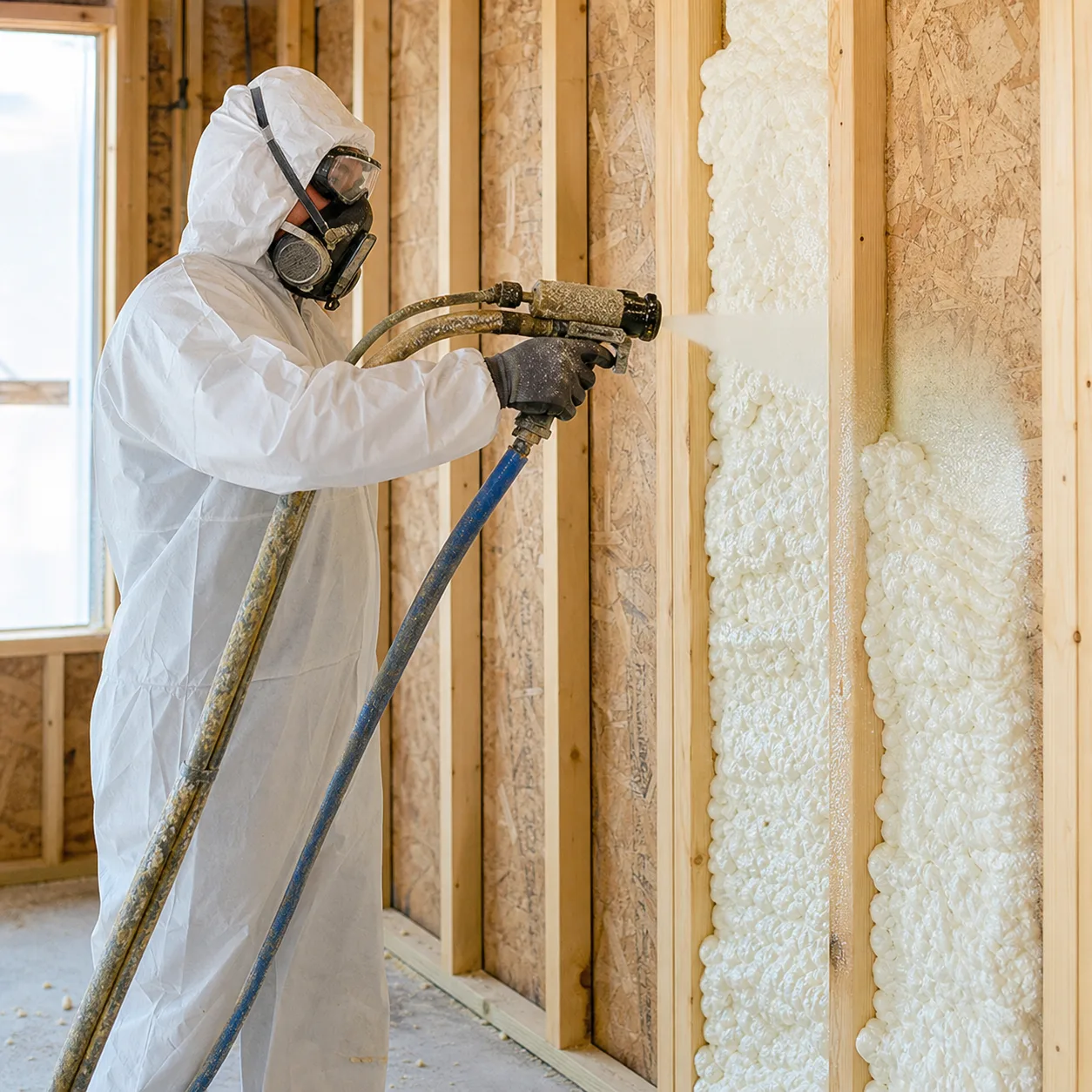
Yakima Spray Foam Pros installs professional spray foam insulation in Yakima, WA and surrounding areas.
Spray foam insulation is different from basic batt or loose-fill insulation because it can insulate and air seal in the same application. That matters in Yakima homes, shops, crawl spaces, and commercial buildings where air leakage, temperature swings, dust, drafts, and difficult framing can make a building uncomfortable even when it technically has insulation.
We look at the project before treating spray foam like a one-size-fits-all product. The right approach depends on whether the area is an attic roofline, crawl space, rim joist, wall cavity, metal building, pole barn, or commercial space. Surface condition, moisture, access, existing insulation, and the intended use of the building all affect the final recommendation.
How We Approach Spray Foam Work
A quality foam job starts with preparation. Surfaces need to be dry enough and clean enough for proper adhesion. Areas that should not receive foam need to be masked. Penetrations, rim joists, transitions, and hard-to-reach corners need attention because those are the places air commonly moves through the building shell.
During installation, foam depth and lift control matter. Too little material can leave performance gaps, while rushed application can create uneven coverage. We focus on consistent coverage, clean edges, and the details that help the insulation perform after the crew leaves.
Where Spray Foam Makes Sense
- Attics with hot rooms, duct losses, air leakage, or difficult roofline conditions.
- Crawl spaces with cold floors, rim joist gaps, moisture concerns, or failing insulation.
- Metal buildings and shops that need better comfort and condensation control.
- Commercial spaces where scheduling, access, code concerns, and long-term performance matter.
- Rim joists, additions, remodels, and irregular framing that are hard to seal with traditional insulation.
What We Review Before Work Begins
We review the building area, current condition, access, square footage, ventilation, moisture signs, existing insulation, and project goals. If there are roof leaks, plumbing leaks, damaged framing, or drainage issues, those should be handled before foam is installed. Spray foam is strong insulation, but it should not be used to hide active building problems.
Our Spray Foam Installation Process
The process starts with understanding the area that needs insulation and why the current setup is not performing. We look for air leakage, missing insulation, moisture concerns, access limitations, and surfaces that need preparation. From there, the work area is protected, openings and nearby surfaces are masked, and the foam is applied with attention to depth, coverage, and transitions.
After the foam is installed, the finished area should show consistent coverage without unnecessary overspray or missed corners. We pay special attention to rim joists, framing changes, roofline transitions, and penetrations because small gaps can reduce the benefit of the entire project.
Problems Spray Foam Can Help Solve
Spray foam is often chosen when a property has rooms that are hard to heat or cool, dusty drafts, cold floors, noisy exterior walls, metal building condensation concerns, or insulation that does not stay in place. It can also be useful in remodels and additions because new framing often creates irregular areas that are hard to insulate with standard materials.
The best results come from choosing the correct foam type and applying it in the right location. Open-cell and closed-cell foam each have strengths, and the right answer depends on the building assembly, not just preference.
Questions We Answer Before Installation
Before recommending foam, we want to understand what problem you are trying to solve. A comfort issue, a draft, a condensation concern, a noisy shop, a cold floor, or a commercial scheduling need can all point to different installation details. We also ask about the building age, the current insulation, moisture history, access, and whether any remodeling or repair work is planned.
Those details matter because spray foam performs best when it is installed as part of a clear building-envelope plan. The foam type, depth, prep work, ventilation, and finished appearance should all make sense for the space. A professional insulation job should not feel rushed or generic. It should leave you with a clear understanding of what was installed, why it was chosen, and what conditions were addressed before the work began.
Why Property Owners Call Us
Property owners usually call when they want better comfort, tighter air sealing, more reliable insulation, or a durable solution in an area where standard insulation has not worked well. We focus on honest project review, careful preparation, and high-quality spray foam work for Yakima-area homes, shops, crawl spaces, attics, metal buildings, and commercial properties.
Spray Foam Insulation for Yakima's Climate
Yakima's high desert climate is a big part of why spray foam insulation performs so well locally. Summers regularly bring long stretches of hot, dry weather, while winters bring hard freezes and valley fog. Insulation that only slows heat transfer without stopping air movement often leaves rooms uneven in both seasons. Because spray foam air seals and insulates at the same time, it can reduce the summer heat gain coming through attics and west-facing walls and cut the winter drafts that make floors and rim joists feel cold.
Agricultural and Commercial Buildings in Yakima County
Insulation demand in Yakima County is not limited to houses. Orchard cold storage buildings, packing houses, wineries, hop-drying buildings, warehouses, and pole barns are a major part of the local market, and many of these structures use metal panel construction that is prone to condensation without an air barrier. Spray foam adheres directly to metal and wood framing, which makes it a common choice for agricultural and commercial buildings that need stable interior temperatures, reduced condensation, and lower energy use for heating, cooling, or refrigeration. See our pole barn and shop insulation, metal building insulation, and agricultural and cold storage insulation pages for more on these applications.
Washington State Energy Code Context
New construction and many remodel or addition projects in Yakima County fall under the Washington State Energy Code (WSEC), the statewide energy code adopted by the Washington State Building Code Council for residential and commercial buildings. The code sets minimum insulation and air-sealing standards, with both prescriptive and performance compliance paths, and requirements can differ by component and by code cycle. We are not a permitting authority, so we recommend confirming current requirements with the Yakima County building department, reviewing our Washington State Energy Code guide, and using our contractor questions checklist before finalizing a project.
Frequently Asked Questions
What makes spray foam different from batt or blown-in insulation?
Spray foam expands to fill the cavity and forms an air barrier at the same time it insulates. Batt and blown-in insulation add R-value but do not stop air movement on their own, so air leaks can still carry heat, dust, and moisture through the building.
Is spray foam a good fit for Yakima's hot summers?
Yes. A continuous air barrier reduces the heat gain that moves through attics, rooflines, and west-facing walls during Yakima's hot, dry summer months, which can ease the load on cooling systems.
Do you insulate agricultural and commercial buildings, not just homes?
Yes. Orchard cold storage, packing houses, warehouses, shops, and pole barns are a regular part of our work in Yakima County, alongside residential attics, crawl spaces, and additions.
Will spray foam meet Washington State Energy Code requirements for my project?
It can help meet WSEC insulation and air-sealing targets, but the exact requirement depends on the assembly, project type, and current code cycle. Confirm specifics with the Yakima County building department before work begins.
Can spray foam be added to an existing home or building, or only new construction?
Both. Spray foam is used in new construction as well as remodels, additions, and retrofits where an attic, crawl space, rim joist, or metal building needs better air sealing or condensation control.
How do I know if I need open-cell or closed-cell foam?
It depends on the area, moisture exposure, and available depth. Our closed-cell vs open-cell comparison walks through where each option is typically used.