Open Cell Spray Foam Yakima, WA
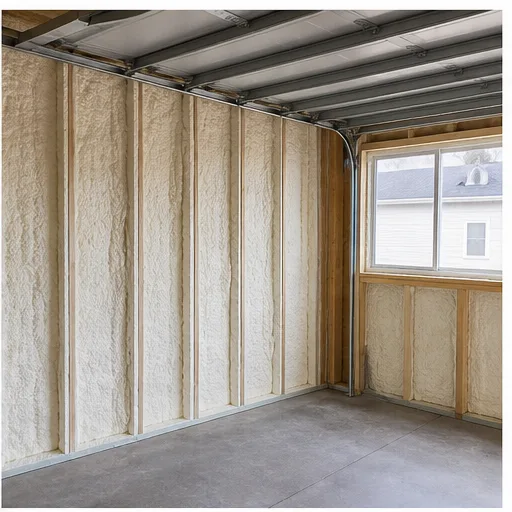
Yakima Spray Foam Pros installs open-cell spray foam for Yakima homes, additions, attics, wall cavities, and residential comfort upgrades.
Open-cell spray foam is a lighter, softer spray foam that expands to fill irregular cavities and reduce air movement. It can be a strong fit when a residential spray foam project needs full cavity fill, comfort improvement, and sound reduction in interior or protected building assemblies.
Open-cell foam is not the same as closed-cell foam. It does not provide the same density, R-value per inch, or moisture resistance, so it should be chosen for the right part of the building. We explain the tradeoffs clearly before recommending a foam type.
Where Open-Cell Foam Can Make Sense
Open-cell foam is commonly considered for interior wall cavities, roofline assemblies, additions, bonus rooms, and areas where air sealing and sound control matter. In attics, it may be part of an unvented or conditioned attic approach when the assembly is designed correctly.
Because open-cell foam expands more than closed-cell foam, it can help fill irregular spaces where traditional insulation may leave gaps. That makes installation judgment important. The foam still needs the right substrate, correct depth, ventilation planning, and compatibility with the rest of the building envelope.
Open-Cell vs Closed-Cell Decisions
Closed-cell foam is usually the better fit when moisture resistance, high R-value in limited space, or a tougher surface is needed. Open-cell foam may be the better fit when the project is inside the conditioned envelope, the assembly can dry appropriately, and sound control or full cavity fill is a priority.
We look at the area being insulated, existing ventilation, moisture history, roof or wall condition, code requirements, and the performance goal before recommending open-cell foam.
Installation Details That Matter
- Reviewing whether the cavity is dry, clean, and ready for foam.
- Protecting finished surfaces, windows, fixtures, and mechanical equipment.
- Planning ventilation and re-entry before the work starts.
- Confirming whether the assembly needs ignition or thermal barrier planning.
- Explaining why open-cell or closed-cell foam is the better fit for the space.
Open-Cell Foam and Yakima's Seasonal Comfort
Open-cell foam's biggest advantage in a Yakima home is full cavity fill combined with air sealing, which addresses the drafts and uneven room temperatures that show up most during winter cold snaps and summer hot spells. Because it expands to fill irregular stud and rafter bays, it can reduce the small gaps around wiring, plumbing, and framing that let outside air into interior wall cavities and roofline assemblies. It is generally used inside the conditioned building envelope, where the assembly is protected from bulk moisture, rather than in exposed exterior applications like crawl spaces or metal buildings.
Frequently asked open-cell foam questions
Is open-cell foam a good choice for a Yakima attic?
It can be, when the attic is designed as part of a conditioned or unvented assembly with the right ventilation and moisture planning. Vented attic-floor projects may call for a different approach.
Does open-cell foam help with sound control between rooms?
Yes, its full cavity fill can reduce sound transfer through interior walls and floors, which is one reason it is often chosen for additions, bonus rooms, and media rooms.
Can open-cell foam be used in a crawl space or metal building?
It is less common there. Closed-cell foam's density and moisture resistance are usually preferred for crawl spaces, rim joists, and metal buildings. See our closed-cell spray foam page for those applications.