Crawl Space Insulation Yakima, WA
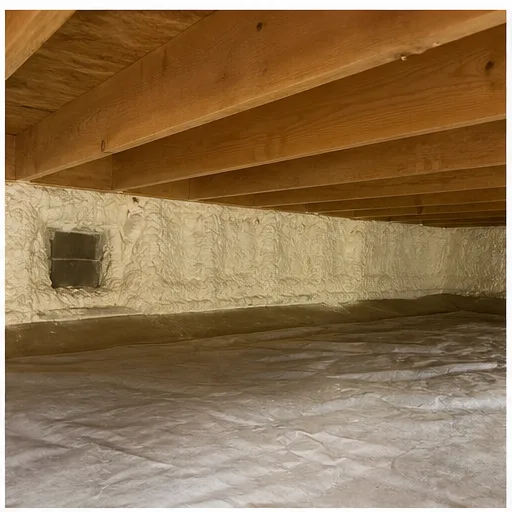
Yakima Spray Foam Pros installs crawl space insulation in Yakima, WA and surrounding areas.
Crawl spaces can affect the comfort, air quality, and energy performance of the rooms above them. Cold floors, drafts, musty odors, damaged insulation, and air leaks around rim joists are common signs that the crawl space deserves attention.
Spray foam can be a strong option in crawl spaces because it can seal irregular framing and reduce air movement. But crawl space work has to be planned around moisture. Foam should not be used to cover active water problems, damaged framing, or conditions that need drainage or vapor control first.
For early budgeting, use the Yakima spray foam cost calculator to compare planning ranges before a provider measures the crawl space and confirms access.
What We Inspect Before Spraying
- Ground moisture, exposed soil, standing water, or drainage concerns.
- Existing vapor barrier condition and whether it is continuous.
- Rim joist gaps, penetrations, vents, pipes, and wiring.
- Damaged or fallen insulation that should be removed before new work.
- Access, clearance, and safe working conditions.
Why Rim Joists Matter
The rim joist area is one of the most common air leak locations in many homes. It is where the floor system meets the exterior wall and foundation area, and small gaps can create noticeable drafts. Spray foam can fit these irregular spaces better than many traditional materials when installed correctly.
Durable Crawl Space Planning
A good crawl space job should improve the air boundary and support long-term building performance. That means paying attention to vapor control, pests, plumbing, mechanical access, and whether the crawl space should be vented or conditioned. We approach crawl spaces as building assemblies, not just empty areas under the floor.
Crawl Space Air Sealing Strategy
Crawl spaces often leak air at the rim joist, sill plate, pipe penetrations, vents, and gaps around framing. These small openings can make floors colder and allow outside air to affect the living space. Spray foam can seal many of these irregular areas more completely than cut-and-fit materials.
Before foam is installed, we look at how the crawl space is behaving. If the ground is damp, if there is standing water, if insulation has fallen, or if pests have damaged materials, those conditions need to be addressed as part of a sensible plan.
Moisture Comes First
A crawl space insulation project should not ignore moisture. Exposed soil, poor vapor barriers, drainage problems, and plumbing leaks can all affect the long-term result. Foam can help with insulation and air sealing, but it should work with vapor control rather than replacing it.
We focus on a durable crawl space result: tighter rim joists, better insulated framing, protected materials, and an installation that respects plumbing, wiring, and access needs.
Older Crawl Spaces: What To Sort Out Before An Estimate
Older crawl spaces often need a little more review before anyone talks about foam depth or price. If insulation is hanging down, the ground cover is torn, vents are open, pipes pass through the rim joist, or the access opening is tight, those details can change the prep work and the estimate. A few photos of the access point, rim joists, exposed soil or vapor barrier, ducts, plumbing, and any fallen insulation can help a provider understand the job before the site visit.
Spray foam can help seal rim joists and irregular framing, but it should not be used to hide active water, pest damage, mold concerns, or structural damage. If ground moisture is part of the issue, review the crawl-space vapor barrier guide before deciding what belongs in the insulation scope. If the main concern is air leakage around framing, the closed-cell spray foam page explains why that material is often discussed for rim joists and crawl-space edges. For early budget planning, compare ranges in the cost calculator, then use the contractor questions checklist to ask how moisture, access, and future service work will be handled.
Questions We Answer Before Installation
Before recommending foam, we want to understand what problem you are trying to solve. A comfort issue, a draft, a condensation concern, a noisy shop, a cold floor, or a commercial scheduling need can all point to different installation details. We also ask about the building age, the current insulation, moisture history, access, and whether any remodeling or repair work is planned.
Those details matter because spray foam performs best when it is installed as part of a clear building-envelope plan. The foam type, depth, prep work, ventilation, and finished appearance should all make sense for the space. A professional insulation job should not feel rushed or generic. It should leave you with a clear understanding of what was installed, why it was chosen, and what conditions were addressed before the work began.
Why Property Owners Call Us
Property owners usually call when they want better comfort, tighter air sealing, more reliable insulation, or a durable solution in an area where standard insulation has not worked well. We focus on honest project review, careful preparation, and high-quality spray foam work for Yakima-area homes, shops, crawl spaces, attics, metal buildings, and commercial properties.
For crawl spaces, small details can decide whether the work lasts. We pay attention to access doors, vent openings, pipe penetrations, duct runs, and places where future service work may be needed. The goal is to improve comfort and air sealing while keeping the space practical for the home.
Crawl Spaces in Yakima's Climate
Yakima's cold winters make crawl space performance especially noticeable. When the rim joist and crawl space floor are not sealed, cold air can move directly into the floor framing above, which is a common reason bedrooms and bathrooms over an unconditioned crawl space feel cold even when the rest of the house is comfortable. Ground moisture is a separate but related issue: dry summers can mask a poor vapor barrier for months before a wet fall or spring reveals the problem, so we check both air sealing and moisture control rather than treating them as the same fix.
Frequently asked crawl space questions
Why does my crawl space make my floors feel cold in winter?
Cold floors are usually a sign of air leakage at the rim joist, sill plate, or crawl space perimeter, combined with insulation that has fallen, gapped, or was never continuous. Sealing those areas is often the first step.
Do I need a vapor barrier if I add spray foam?
Foam addresses air sealing and insulation, but ground moisture usually still needs its own vapor barrier or drainage plan. See our crawl space vapor barrier guide for how the two work together.
Can crawl space foam help with a musty smell in the house?
It can help when the odor is related to crawl space air moving into the living space through leaks, but persistent musty odors should also be checked for standing moisture, mold, or ventilation issues before insulation work begins.